Norse Mythology
Ragnarök: The Day the Norse Gods Knew the World Would End
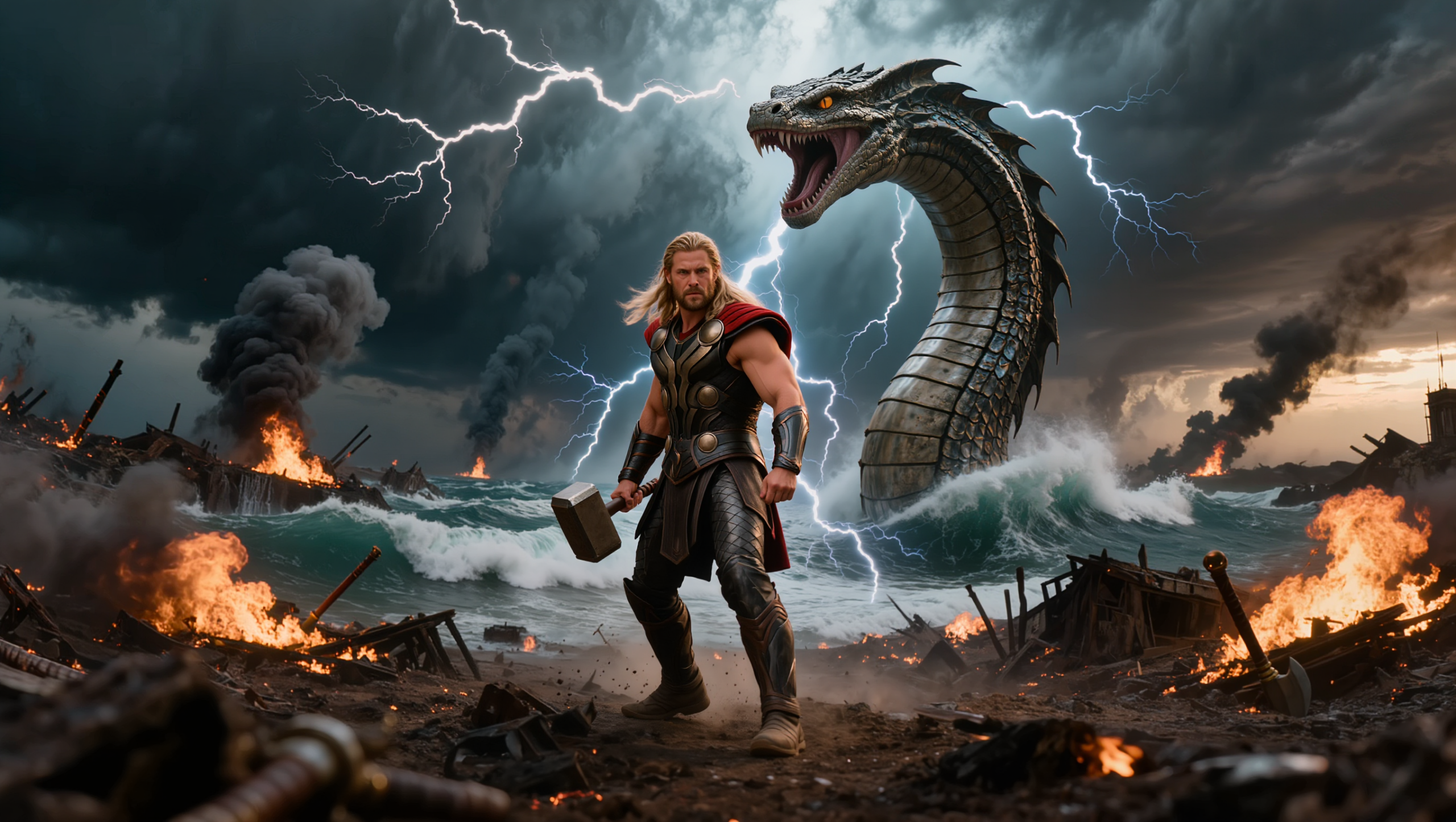
There’s something strange about how the Norse imagined the end of the world.
It wasn’t vague. It wasn’t symbolic. It was detailed, brutal, and — most interesting of all — inevitable.
They called it Ragnarök.
Not “maybe someday.” Not “if humanity fails.” Ragnarök was going to happen. Period. And the gods knew it.
The Beginning of the End
It starts quietly.
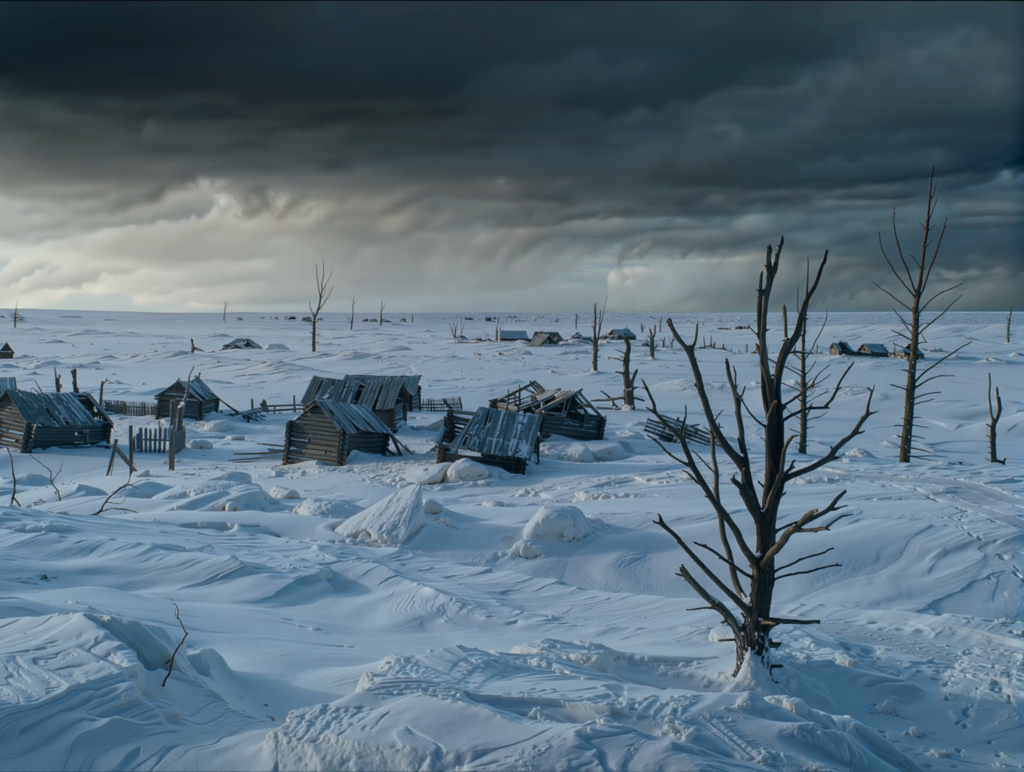
A long, freezing winter grips the world — Fimbulwinter. No summer. No relief. Just cold, hunger, and chaos spreading across every corner of Midgard.
Families turn on each other. Morality collapses. The world doesn’t just freeze — it breaks down from the inside. And that’s when things start waking up.
The Monsters Break Free
The creatures the gods feared most finally snap their chains.
Fenrir, the giant wolf the gods had imprisoned, breaks free. Jörmungandr, the massive serpent wrapped around the entire world, rises from the ocean. Loki, the trickster god who had been bound as punishment for his crimes, escapes and turns against the gods completely.
This isn’t just rebellion. It’s revenge.
The Final Battle
The battlefield is called Vigrid, and everything leads here.
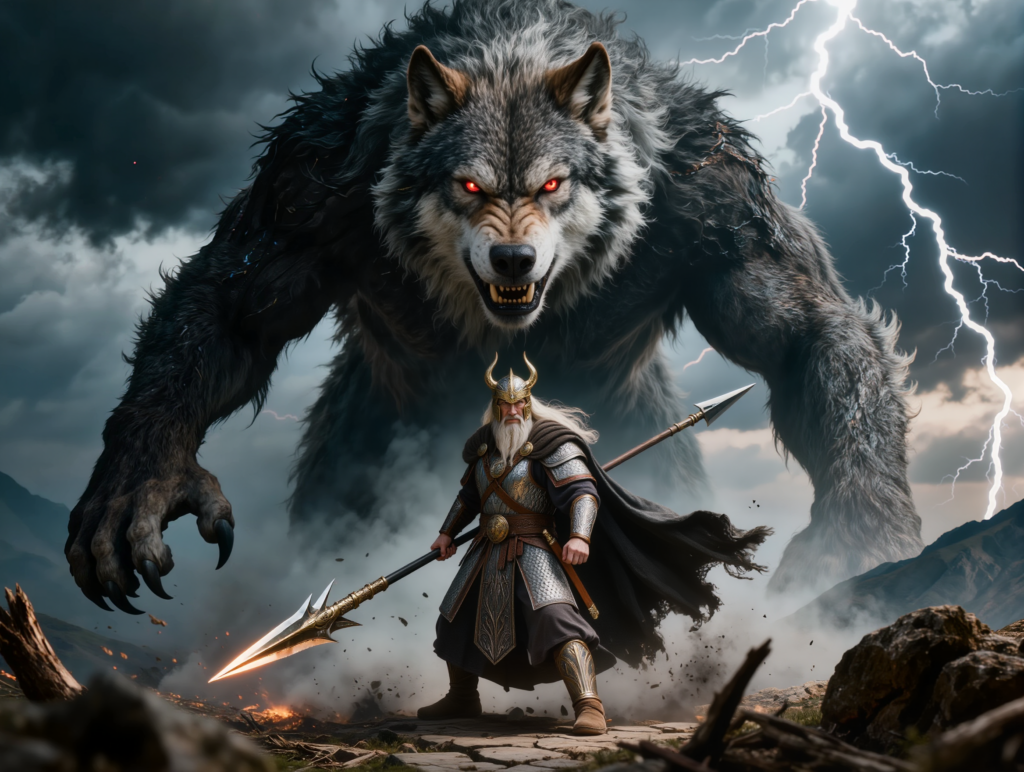
Odin gathers the fallen warriors of Valhalla — every soldier who ever died in battle and was brought to his hall. Thor prepares for his last fight. The sky splits open as frost giants march across the rainbow bridge toward the gods.
And then it happens.
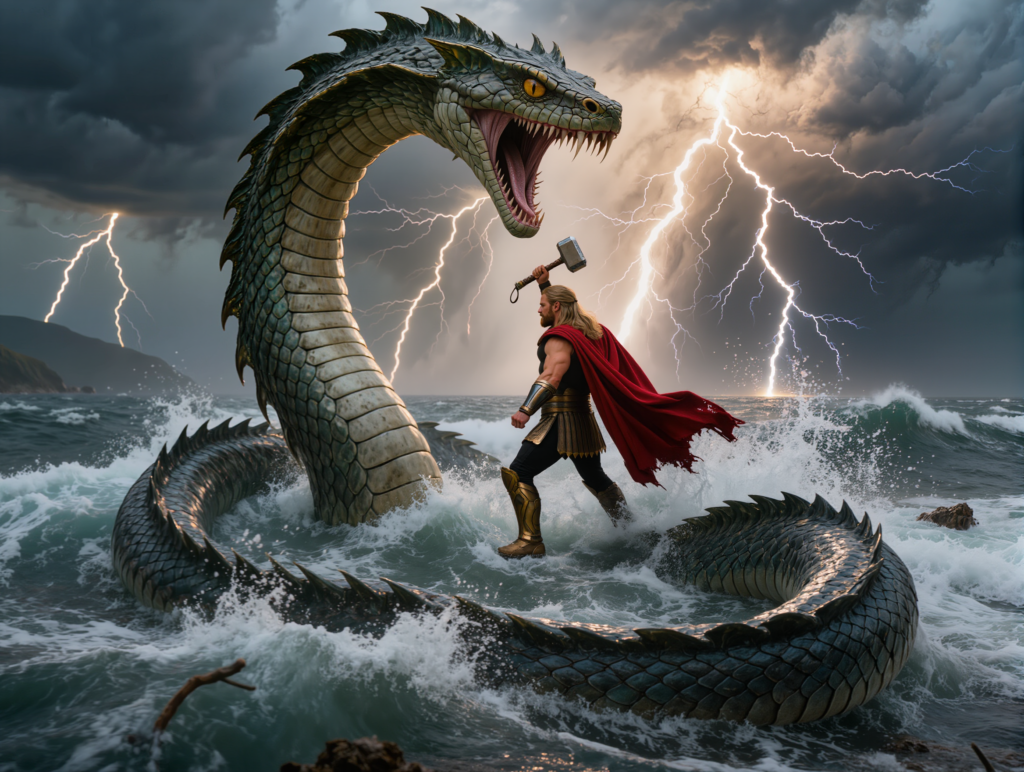
Odin faces Fenrir — and is swallowed whole. Thor kills Jörmungandr, the world serpent, but takes only nine steps before the creature’s poison drops him dead. Loki and Heimdall, the watchman of the gods, kill each other. Freyr falls because he gave away his magical sword. One by one, the gods go down.
No one wins.
Why This Myth Is Different From Every Other
That’s what sets Ragnarök apart from almost every other mythology on earth.
In most traditions, gods are untouchable. They might be troubled, they might argue, but the divine order holds. In Norse mythology, the gods are mortal. They age without the golden apples of Idunn. They bleed. They die.
And they fought at Ragnarök knowing exactly what was coming.
Odin spent his entire existence gathering knowledge, sacrificing his eye, hanging from the World Tree — all of it was preparation for a battle he already knew he would lose. He went anyway.
There’s something almost uncomfortably human about that. Facing the end head-on, not because you expect to survive, but because you’d rather go down fighting than hide.
The World Burns. Then Something Unexpected Happens.
After the battle, the world is consumed by fire and swallowed by the sea.
Everything is gone. The gods, the monsters, Midgard itself — all of it.
But then — the earth rises again.
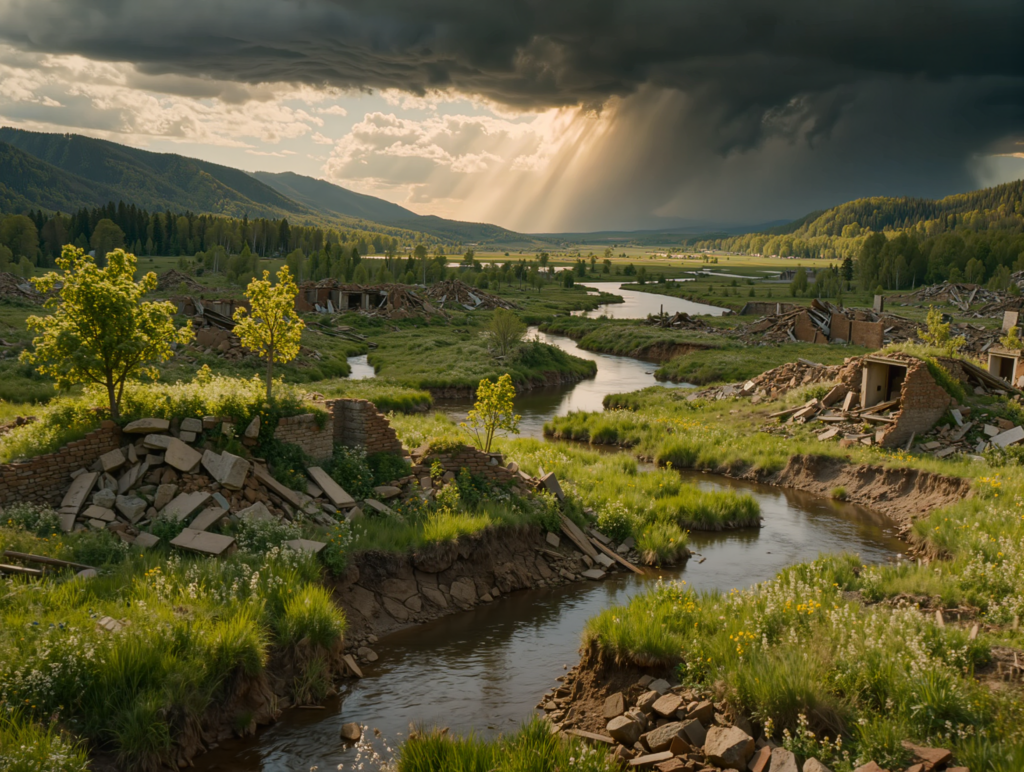
It comes back from the ocean, green and fresh and completely silent. A few gods survive. Two humans emerge from a forest where they had been hiding through the destruction. Birds sing. Rivers run clean. Life begins again.
Not as it was. But not completely lost either.
Why Ragnarök Still Hits Today
Ragnarök isn’t really a story about destruction.
It’s a story about cycles. Endings that make way for beginnings. Loss that is total and real, but not permanent.
The Norse didn’t believe in a perfect world that would last forever. They believed in resilience — in rebuilding from nothing, in fighting for something even when the odds are impossible, in the idea that whatever survives the worst possible thing can grow into something new.
That’s not a comfort story. It doesn’t promise safety or a happy ending.
But it does promise that after everything falls apart — something can still come back.
And maybe that’s exactly why, more than a thousand years after the Vikings told this story around fires in the dark, we’re still telling it today.

-
 Greek Mythology1 month ago
The Night Zeus Almost Lost Everything (Greek Mythology Story)
-
 Egyptian Mythology1 month ago
The Real Story of Ra, Osiris, and the Egyptian Gods — And Why People Are Still Obsessed With Them
-
 Lost Civilizations1 month ago
The Lost City of Atlantis — Myth or Real Place?
-
 Mysteries & Legends2 weeks ago
The Voynich Manuscript: The Book Nobody Has Been Able to Read for 600 Years