Mysteries & Legends
The Voynich Manuscript: The Book Nobody Has Been Able to Read for 600 Years
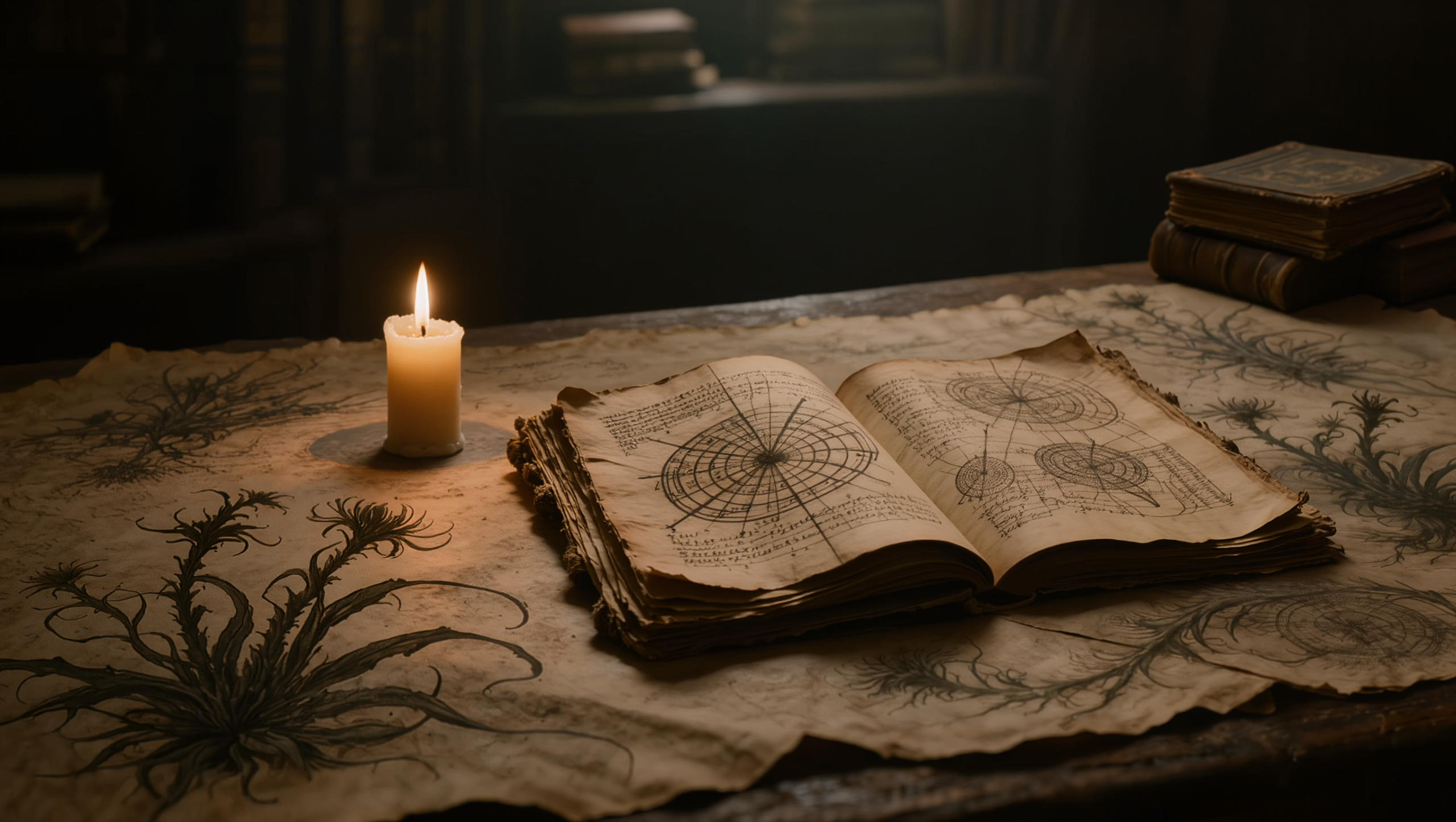
There are old books. And then there’s this one.
The Voynich Manuscript isn’t just ancient. It’s completely unreadable. Not in the “hard to understand” way. In the no one on Earth has figured it out in 600 years kind of way.
Historians have tried. Cryptographers who cracked Nazi codes during World War II tried. Modern AI has tried.
Still nothing.
What Is the Voynich Manuscript?
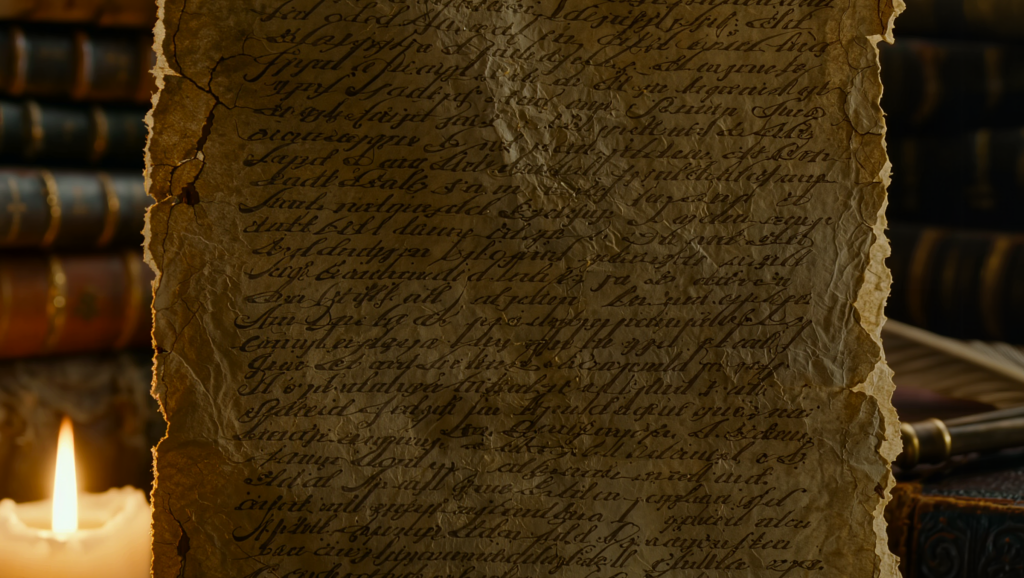
It’s a handwritten book, carbon-dated to the early 1400s — somewhere between 1404 and 1438. At first glance it looks like any other medieval manuscript. Aged pages, careful ink drawings, neat handwriting throughout.
But the moment you try to read it, everything falls apart.
The text is written in a script that doesn’t match any known language on Earth. Not Latin. Not Greek. Not Arabic. Not any cipher system we’ve ever seen before or since. It’s as if someone sat down, invented an entirely new way of writing, filled 240 pages with it — and then took the key to the grave.
The manuscript was rediscovered in 1912 by a Polish book dealer named Wilfrid Voynich, who found it in an Italian castle. He spent the rest of his life trying to decode it. He died without an answer. The book now sits at Yale University’s Beinecke Rare Book Library, where anyone can study it. Plenty of people do. None of them have cracked it.
The Illustrations Make It Even Stranger
If the unreadable text wasn’t enough, the drawings push the mystery further.
The manuscript is divided into sections that appear to cover different subjects — botany, astronomy, biology, recipes or remedies of some kind. But within each section, nothing quite makes sense.
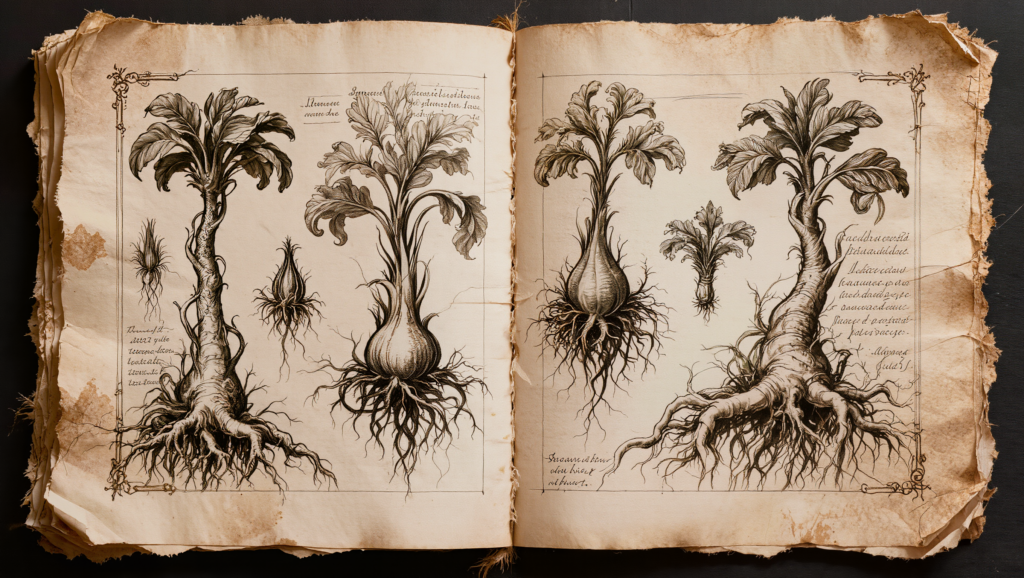
The botanical section shows dozens of detailed plant illustrations. The problem is that none of the plants match anything that exists. Not species that have gone extinct. Not anything in the fossil record. Plants with impossible root structures, flowers that don’t belong to any known family, leaves that look almost real but aren’t quite. Either the illustrator had an extraordinary imagination, or they were drawing something from a source we’ve never found.
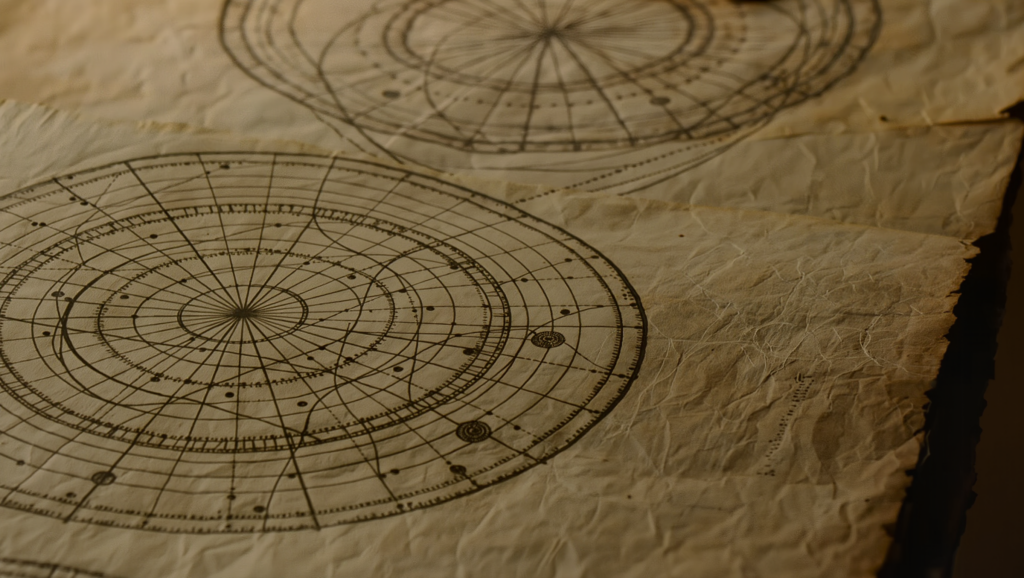
The astronomical section contains circular diagrams that look like star maps or calendars. They’re elaborate and clearly constructed with intention. But they don’t map to any known star system or calendar we can identify.
The biological section — the one that tends to make people most uncomfortable — shows small human figures interacting with tubes, pools, and systems that don’t correspond to anything in medieval science or medicine.
Everything about it feels structured and deliberate. Nothing about it is decipherable.
Why Has Nobody Decoded It?
This is the part that keeps pulling researchers back in, decade after decade.
The manuscript has been attacked with every tool available to each generation that encountered it. World War II codebreakers who had cracked some of the most complex encryption systems ever devised took a run at it and walked away empty-handed. Linguists who specialise in dead and constructed languages have found no foothold. University research teams have spent years on it.
In recent years, AI and machine learning have been pointed at the text. One team concluded the manuscript most closely resembles Hebrew written in a specific encoding method. Another concluded it showed statistical patterns consistent with a real language rather than random generation. Neither team could actually read a single word of it.
What makes it genuinely puzzling is that it doesn’t look random. The letter patterns are too consistent. Certain symbols appear at the beginnings of words, others at the ends, with a regularity that mirrors how real languages work. Words repeat in patterns that feel grammatical. There’s structure there. Real, consistent structure.
We just can’t find what it’s pointing at.
Is It a Real Language or an Elaborate Hoax?
This is where the serious debate sits today, and it’s more genuinely contested than most people realise.
The real language camp argues that the statistical patterns in the text are too sophisticated to be faked — that someone in the 1400s could not have constructed 240 pages of fake text with consistent internal grammar without it eventually breaking down somewhere. They believe it’s either a constructed language, an unknown natural language, or a cipher system so unusual that it requires a key we simply haven’t found.
The hoax camp argues that the whole thing was created to sell. Medieval Europe had a market for mysterious, supposedly mystical texts, and a book in an unreadable script filled with strange illustrations would have fetched serious money from the right buyer. They point out that a clever enough forger could have constructed something that looks linguistically consistent without it actually meaning anything.
The problem with the hoax theory is scale. Two hundred and forty pages. Consistent internal patterns throughout. Detailed, intricate illustrations that took enormous time to produce. If it’s a hoax, it’s one of the most committed and sophisticated cons in human history — pulled off by someone in the early fifteenth century who put in more work than almost any real scholarly project of the same era.
Why People Still Can’t Let It Go
The Voynich Manuscript occupies a strange space that almost nothing else does.
It’s not folklore. It’s not a legend passed down through stories. It’s a physical object you can hold, photograph, and study under a microscope. Yale has digitised the entire thing and put it online for free. You can sit with it right now and look at every page yourself.
And still understand nothing.
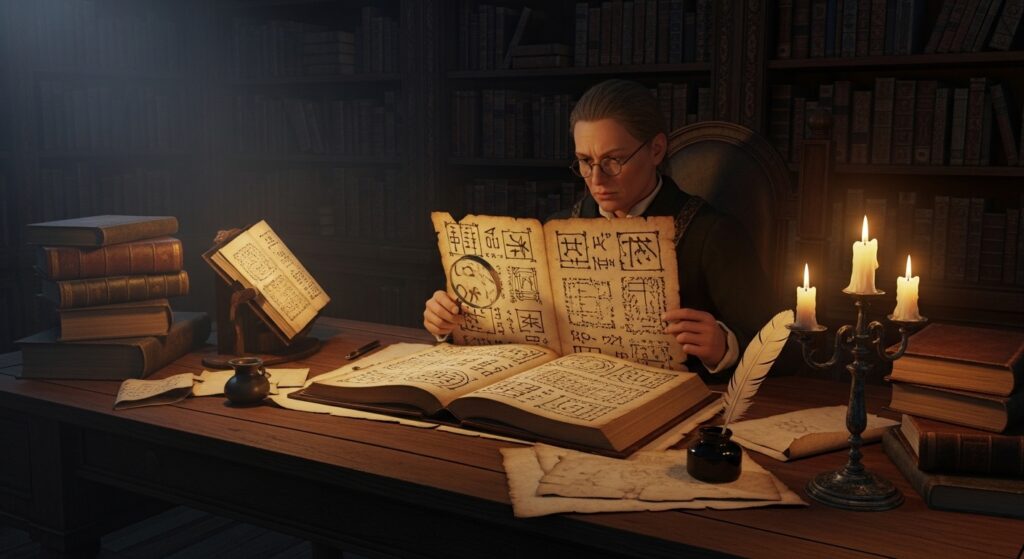
In a world where translation software handles hundreds of languages instantly, where ancient Egyptian hieroglyphs were cracked, where Linear B and countless other dead scripts have been decoded — this one book from the 1400s still hasn’t budged.
That’s genuinely rare. And it’s why serious academics keep coming back to it rather than leaving it to conspiracy theorists. The mystery is real. The object is real. The frustration is real.
Maybe Not Everything Gets Solved
Here’s the thing about the Voynich Manuscript that doesn’t get said enough.
We might never know.
Whoever wrote it is long dead. Whatever community or tradition it came from may have vanished completely. The key — if there is one — may not exist anywhere. We could have the most advanced AI in history trained on it and still come up empty if the original system was lost before anyone wrote it down elsewhere.
That’s an uncomfortable idea in an era where we expect answers to be findable.
But the manuscript doesn’t care about our expectations. It has sat quietly for 600 years, studied and pored over and argued about, and it has given up nothing.
It’s not waiting to be solved. It just exists. Strange and patient and completely indifferent to the centuries of people who have stared at it and walked away no wiser than when they started.
And somehow, that makes it the most fascinating object in any library on Earth.

-
 Greek Mythology1 month ago
The Night Zeus Almost Lost Everything (Greek Mythology Story)
-
 Norse Mythology3 weeks ago
Ragnarök: The Day the Norse Gods Knew the World Would End
-
 Egyptian Mythology1 month ago
The Real Story of Ra, Osiris, and the Egyptian Gods — And Why People Are Still Obsessed With Them
-

 Lost Civilizations1 month ago
The Lost City of Atlantis — Myth or Real Place?